Designing Pet-Friendly Gardens: Safe Havens for Your Furry Friends Jul 25, 2026
First and foremost, consider the importance of safety in your garden design. Pets, particularly dogs, have a tendency to explore every nook and cranny, which means securing the boundaries of your garden should be a top priority. A sturdy, pet-proof fence can prevent escapes and protect your pets from external dangers. Make sure there are no gaps or sharp edges that could harm your pets. Additionally, installing gates with self-closing latches can add more security, ensuring your garden remains a safe space.
Another critical aspect is selecting pet-friendly plants. While greenery adds beauty and vibrancy to any landscape, some plants are toxic to animals. Common garden favorites like azaleas, lilies, and daffodils are harmful if ingested by pets. Instead, opt for non-toxic alternatives such as sunflowers, roses, or snapdragons. Incorporating a mix of textures and colors with pet-safe plants not only enhances the visual appeal but also keeps your pets safe from accidental poisoning.
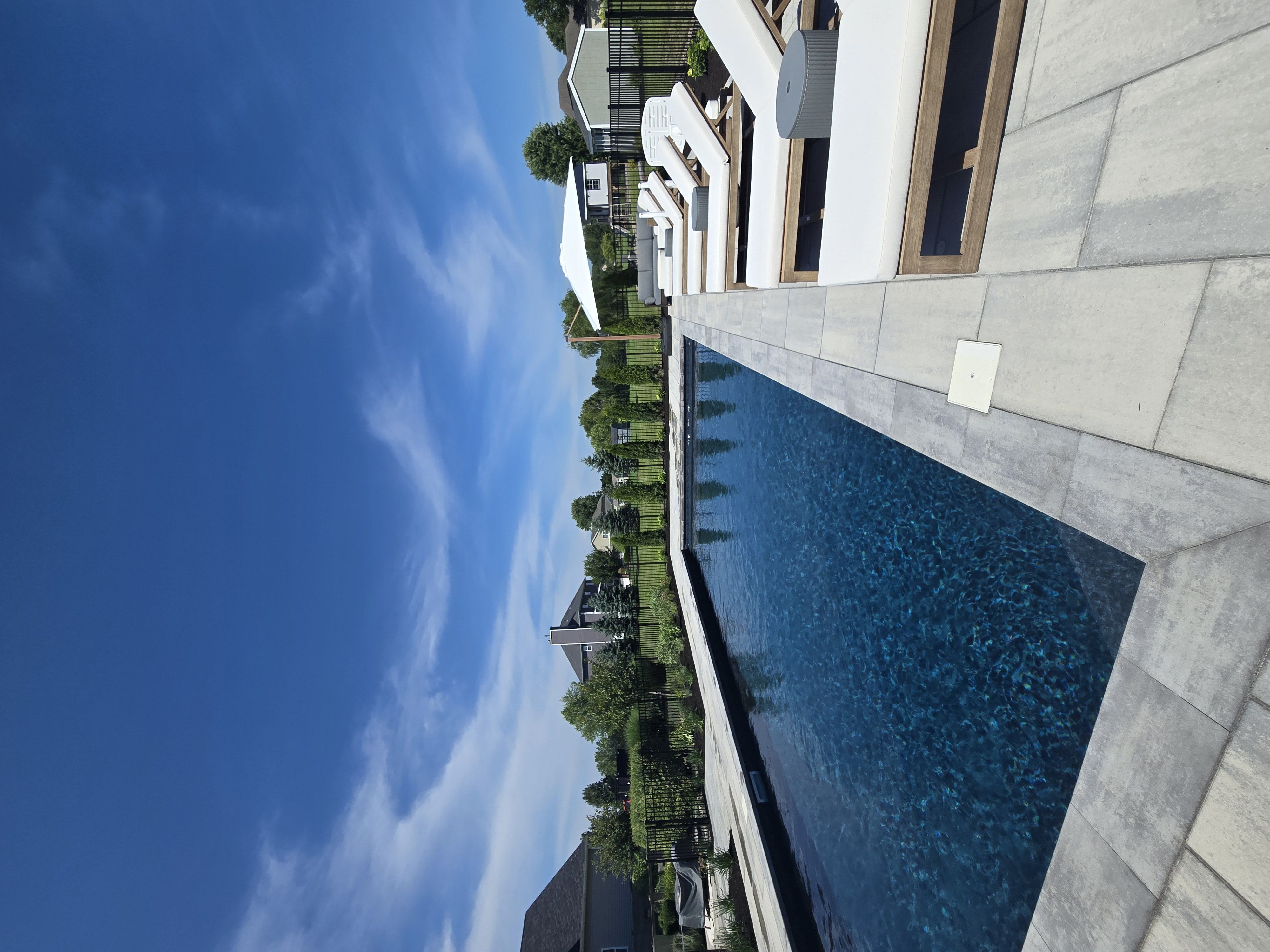
Incorporating hardscaping elements can also contribute significantly to a pet-friendly garden. Elements like paved paths or stone patios not only provide durability but also help keep your pets clean by reducing muddy paws. These features can serve as designated walkways or play areas, designed to withstand the wear and tear of pets playing and running about.
Water features can be an excellent addition to your garden design, offering pets a source of fresh water to stay hydrated during warmer months. However, safety is crucial when adding features such as ponds or fountains. Ensure they are shallow or have gentle slopes for easy access and egress to prevent any potential dangers to smaller pets.
Don’t overlook the importance of shade and shelter, particularly for outdoor-loving pets. Incorporating shaded areas, such as pergolas or strategically planted trees, can protect your pets from the harsh sun. Not only does this provide a cooling retreat during hot summer days, but it also enhances your garden's biodiversity, offering shade to various plant species.
Finally, consider creating dedicated play zones within your garden. Designating specific areas for your pets can help keep them entertained and differentiate between their play areas and your plants. Features like agility courses or sandbox areas can be playful additions, catering to the energy and curiosity of your pets while maintaining the integrity of your garden space.
In conclusion, a pet-friendly garden requires thoughtful planning and careful selection of elements that balance safety, beauty, and pet-friendliness. By focusing on secure boundaries, choosing non-toxic plants, integrating durable hardscaping materials, providing accessible water features, and ensuring adequate shade, you can create a garden that serves as a delightful and safe retreat for your pets. Tony Monaco Landscaping Inc. is here to help you design and implement a landscape that accommodates all family members, including those with paws, ensuring that your outdoor space is a welcoming oasis.
/filters:no_upscale()/filters:format(webp)/media/02a3c8d0-284d-45d7-a40d-355a452a86e6.jpg)
/filters:no_upscale()/filters:format(webp)/media/0ed409e0-31d9-46c2-b7fe-40e9d7976fad.png)